

Investing in Land

Why Investing in Land: One of the Most Overlooked Opportunities in Real Estate
When people think about real estate investing, they usually imagine rental homes, apartment buildings, or commercial properties. But one of the most overlooked opportunities in real estate is land investing.
Unlike houses or buildings, land requires far less maintenance, can be purchased at lower entry prices, and often appreciates as areas develop. For investors willing to think long-term, land can be a powerful addition to a real estate portfolio.
Let’s explore why investing in land is gaining attention and how to approach it strategically.
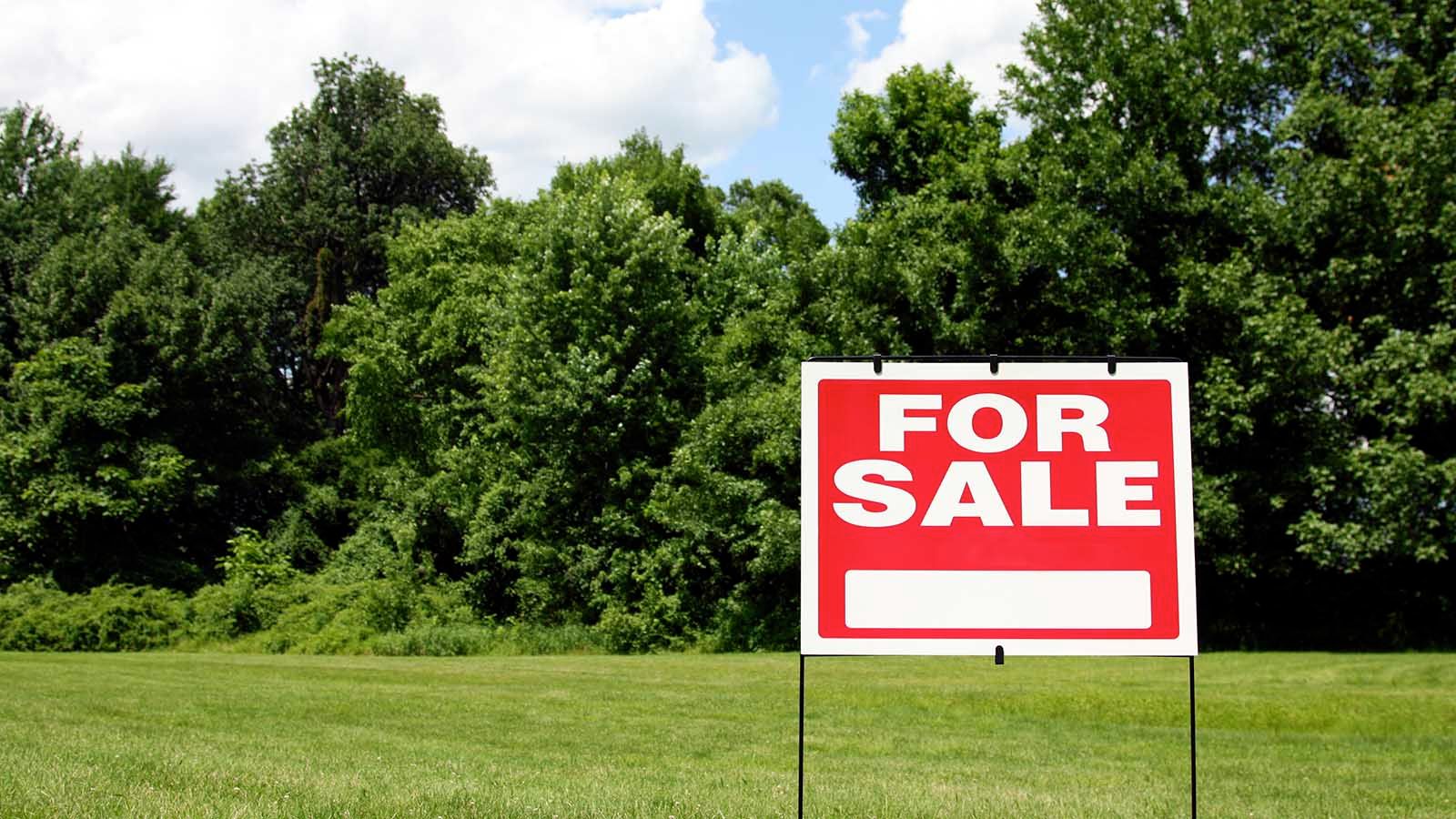
Why Investors Are Turning to Land
Land is a finite resource. As cities expand and populations grow, the demand for usable land increases. This simple supply-and-demand dynamic is what makes land such an attractive investment.
Some key advantages include:
Low maintenance
Vacant land doesn’t require repairs, tenants, plumbing, or renovations.
Lower entry cost
Compared to developed property, land is often significantly cheaper to purchase.
Flexible future use
Land can later be used for residential, commercial, agricultural, or development purposes depending on zoning and location.
Long-term appreciation
As infrastructure expands—roads, schools, shopping centers—land value often increases.
Types of Land Investments
Not all land is the same. Investors typically focus on several categories:
Residential Land
Lots located in or near growing neighborhoods where future housing development is expected.
Commercial Land
Land positioned in areas where businesses, retail centers, or offices may expand.
Agricultural Land
Farmland that can produce crops or be leased to farmers.
Recreational Land
Properties used for outdoor activities such as camping, hunting, or vacation retreats.
Each type has different timelines and potential returns.
What Makes Land Valuable?
The biggest factor influencing land value is location.
Investors should look for areas with signs of growth such as:
-
New road construction
-
Expanding suburbs
-
Population growth
-
New schools or hospitals
-
Commercial developments
-
Job growth in nearby cities
When infrastructure moves into an area, land values often follow.
Zoning and Regulations
Before purchasing land, it’s essential to understand zoning laws.
Zoning determines what the land can legally be used for, such as:
-
Residential housing
-
Commercial buildings
-
Agricultural use
-
Mixed-use development
Investors should also research building restrictions, utilities access, flood zones, and environmental regulations.
Doing proper due diligence can prevent costly surprises later.
Strategies for Land Investing
Successful land investors typically use one of these strategies:
Buy and Hold
Purchase land in a growing area and hold it until demand increases.
Land Flipping
Buy undervalued land and sell it later for a higher price.
Land Development
Improve the property by adding utilities, roads, or permits to increase value.
Leasing the Land
Some land can generate income through farming, solar farms, cell towers, or storage use.
Each approach requires different levels of time, capital, and expertise.
Risks to Consider
Like any investment, land also comes with risks.
Some common challenges include:
-
Longer holding periods before profit
-
Limited financing options
-
Property taxes while holding the land
-
Zoning restrictions limiting development
Investors should always analyze growth trends and local development plans before purchasing.
The Long-Term Advantage
One of the biggest benefits of land investing is patience.
While houses may produce rental income immediately, land often rewards investors who take a longer view. As cities expand and development spreads outward, previously overlooked land can become highly valuable.
Many of today’s thriving neighborhoods were once empty land purchased by investors who saw the potential early.
Final Thoughts
Land investing may not always generate immediate cash flow, but it offers a unique opportunity for long-term growth and flexibility. With the right research, location, and strategy, vacant land can become a valuable asset in any real estate portfolio.
For investors looking beyond traditional properties, land represents something simple yet powerful:
Opportunity waiting to be developed.
If you have inquiries feel free to visit our website at: https://eddiechang.investpropertynow.com/eddie-chang-real-estate

Categories
Recent Posts